
Why skin feels tight after washing is a common question, especially if your face feels dry, tight, or uncomfortable right after cleansing.
That tight feeling may seem like your skin is just “clean,” but it can also be a sign that your cleanser is doing too much.
For sensitive or reactive skin, cleansing should leave your skin feeling fresh and comfortable — not stripped, dry, or irritated.
Why Skin Feels Tight After Washing?
When your skin feels tight after washing, it usually means your skin barrier has been disrupted.
This can happen when a cleanser removes too much natural moisture from the skin or uses ingredients that are too harsh for your skin type.
You may notice:
- tightness right after rinsing
- dry patches
- stinging when applying products
- skin that feels rough or uncomfortable
- redness or increased sensitivity
That “squeaky clean” feeling is not always a good thing — especially for sensitive skin.
1. Your Cleanser May Be Too Harsh
Some cleansers are designed to remove oil aggressively.
That may work for some skin types, but sensitive or reactive skin often needs a gentler approach.
If your cleanser leaves your skin feeling tight, dry, or uncomfortable, it may be stripping away more than just dirt and buildup.
2. Too Much Foam Can Be a Problem
A cleanser does not need to create a lot of foam to work.
Heavy foam can sometimes leave skin feeling overly cleansed, especially if your skin barrier is already sensitive.
For reactive skin, a low-foam cleanser can often feel more comfortable because it cleans without leaving your skin feeling depleted.
3. Hot Water Can Make Tightness Worse
Even a gentle cleanser can feel drying if you use hot water.
Hot water can remove natural moisture from the skin and leave your face feeling tight after cleansing.
Try using lukewarm water instead.
It is a small change, but it can make a noticeable difference.
4. Your Skin Barrier May Already Be Stressed
If your skin barrier is already irritated, even normal cleansing can feel uncomfortable.
This is why your skin may suddenly react to products you used to tolerate.
When your barrier is stressed, your skin needs fewer products, gentler cleansing, and more consistency.
If your skin reacts easily, removing common triggers can help.
According to dermatology guidance, gentle cleansing and barrier support are important parts of caring for sensitive skin.
👉 What to Avoid for Sensitive Skin
What Your Skin Should Feel Like After Cleansing
After washing your face, your skin should feel:
- clean
- soft
- comfortable
- refreshed
- not tight or stripped
A cleanser should support your routine — not make your moisturizer work harder afterward.
If your skin still feels dry after moisturizing, this may help:
👉 Why Your Moisturizer Isn’t Working
How to Help Prevent Tightness After Washing
If your skin feels tight after cleansing, try keeping your routine simple:
- use lukewarm water
- avoid over-cleansing
- choose a gentle, low-foam cleanser
- apply moisturizer while skin is slightly damp
- avoid adding too many active products at once
Consistency matters more than a complicated routine.
If you’re wondering why skin feels tight after washing, start by looking at your cleanser, water temperature, and how often you wash your face.
Choose a Gentle Cleanser for Sensitive Skin
For sensitive or reactive skin, the goal is not to strip your skin.
The goal is to cleanse without disrupting your skin barrier.
A gentle, low-foam cleanser can help remove buildup while keeping your skin feeling calm, balanced, and comfortable.
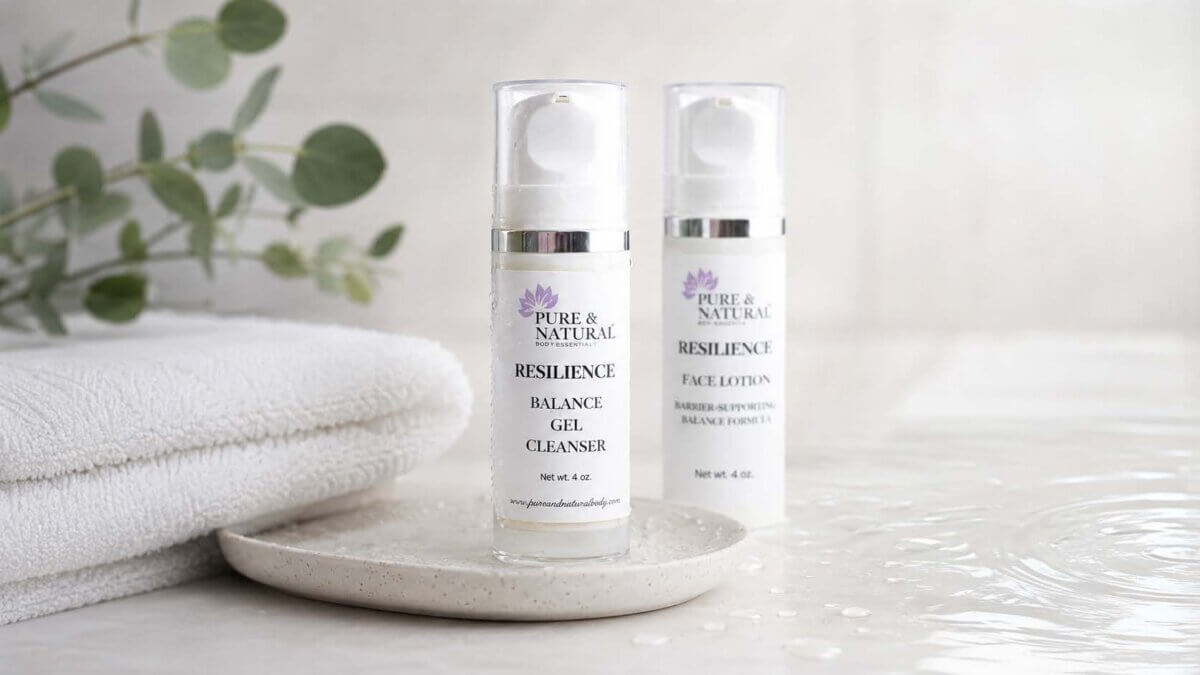
👉 Resilience Balance Gel Cleanser – Gentle Cleanser for Sensitive Skin
Start with a Simple Routine
If your skin feels tight, dry, or reactive after cleansing, start with fewer steps.
A simple skincare routine for sensitive skin can help reduce irritation and support your skin over time.
👉 Simple Skincare Routine for Sensitive Skin
Final Thought
If your skin feels tight after washing your face, your skin may not need stronger products.
It may need a gentler routine.
Cleansing should leave your skin comfortable — not dry, tight, or stressed.
Simple, consistent care can make all the difference for sensitive, reactive skin.