
Lip Care During Chemotherapy: What to Avoid and What Helps Sensitive Lips
Lip care during chemotherapy requires extra attention. Many people undergoing treatment experience severe dryness, cracking, peeling, or heightened sensitivity in the lips. Because chemotherapy affects rapidly dividing cells — including cells in the skin and mucous membranes — the natural skin barrier can become compromised.
While lip balm does not treat medical side effects, choosing the right formula may help reduce additional irritation and support daily comfort.
If you or someone you care for is navigating treatment, here’s what to know about lip care during chemotherapy.
Why Lips Become So Dry During Chemotherapy
The lips are especially vulnerable because they are thinner than facial skin and lack oil glands. During chemotherapy, common changes may include:
Increased moisture loss
Cracking or splitting
Peeling or flaking
Burning or reactive sensations
Sensitivity to fragrance or flavor
When the skin barrier is weakened, even products that were previously tolerated may suddenly feel irritating.
That’s why gentle lip care during chemotherapy focuses on minimizing potential irritants while protecting the delicate lip surface.
Lip Care During Chemotherapy: What to Avoid
When lips are medically affected or extremely sensitive, certain ingredients may increase discomfort.
It may be helpful to avoid:
Fragrance (synthetic or natural)
Menthol, peppermint, or eucalyptus
Flavored additives
Strong exfoliating ingredients
Even ingredients commonly labeled as “natural” can feel harsh when the skin barrier is fragile. During treatment, simpler formulas are often better tolerated.
What to Look For Instead
Supportive lip care during chemotherapy should prioritize barrier protection and simplicity.
Look for formulas that are:
Fragrance-free
Flavor-free
Essential oil–free
Made with minimal ingredients
Focused on moisture retention
Ingredients such as calendula-infused oil, shea butter, mango butter, and plant-based waxes can help create a protective layer that reduces moisture loss and shields lips from environmental dryness.
The goal is not to add more stimulation — but to reduce friction, irritation, and dehydration.
How Often Should You Apply Lip Balm?
Lip care during chemotherapy often requires more frequent application than usual. Because lips may lose moisture quickly, consistent reapplication can help maintain comfort.
A simple approach may include:
Applying a gentle balm multiple times per day
Reapplying after eating or drinking
Applying a thicker layer before bed
Avoiding scrubs or exfoliation while lips are cracked
If lips become severely cracked, bleeding, or painful, consult with your oncology team. In some cases, medical-grade treatments may be recommended.
For general dryness and sensitivity, however, minimal and irritation-conscious formulas may provide everyday support.
A Gentle Option for Very Sensitive Lips
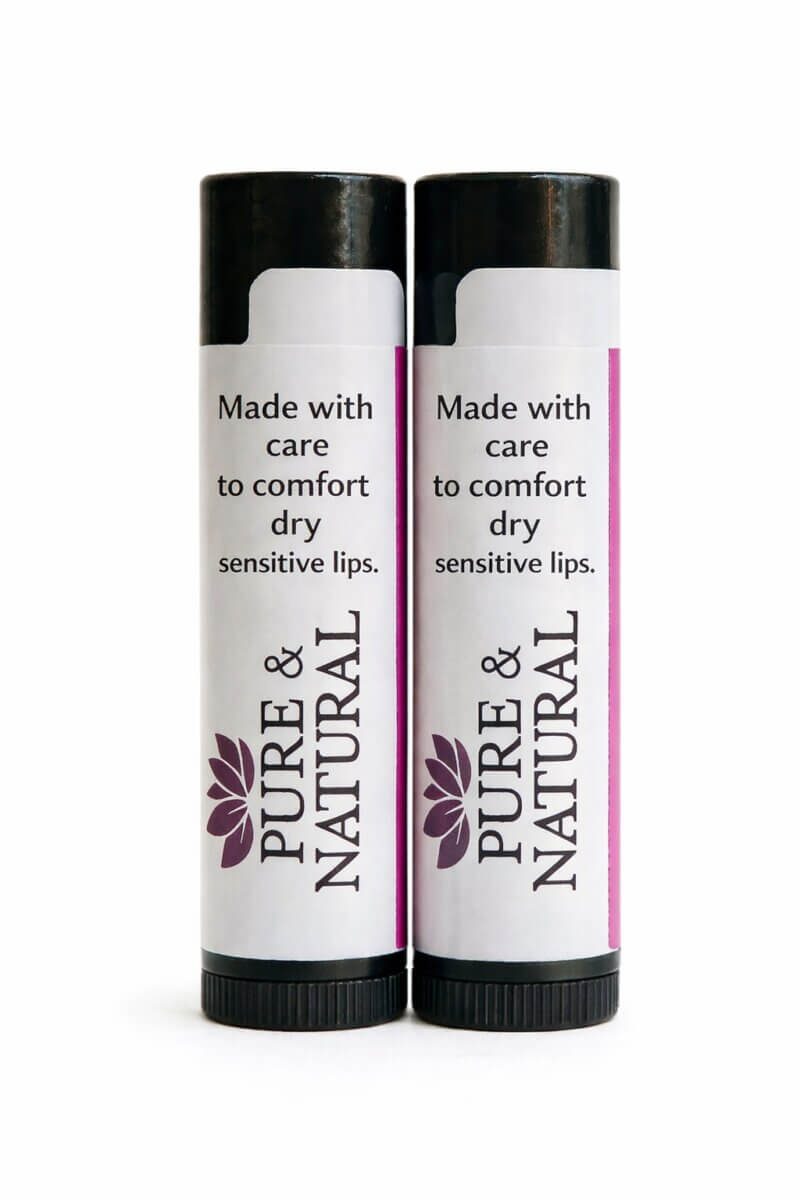
The Comfort Balm was originally created for someone undergoing chemotherapy who could not tolerate traditional lip products due to extreme dryness and reactivity.
It is:
Vegan
Unscented
Essential oil–free
Made with simple, plant-based ingredients
Handcrafted in Michigan
The Comfort Balm is not a medical treatment. It is a fragrance-free lip balm formulated to minimize common irritants and support sensitive or medically affected lips.
For many individuals, the absence of fragrance and flavor can make a meaningful difference in daily comfort.
Choosing a gentle, supportive lip product can make a difference — especially when lips are more sensitive than usual. Explore our vegan lip balm handmade for sensitive skin.
A consistent routine can make a difference. Explore our balance skincare for sensitive skin system designed for daily comfort.
Small Comforts Matter
Lip care during chemotherapy may seem minor, but when the lips are dry and sensitive, even small improvements in comfort can feel significant.
If you’re selecting a balm during treatment, prioritize simplicity, avoid unnecessary additives, and consult your healthcare provider with any concerns.
For more information about chemotherapy-related side effects, visit the American Cancer Society’s guide to treatment side effects.