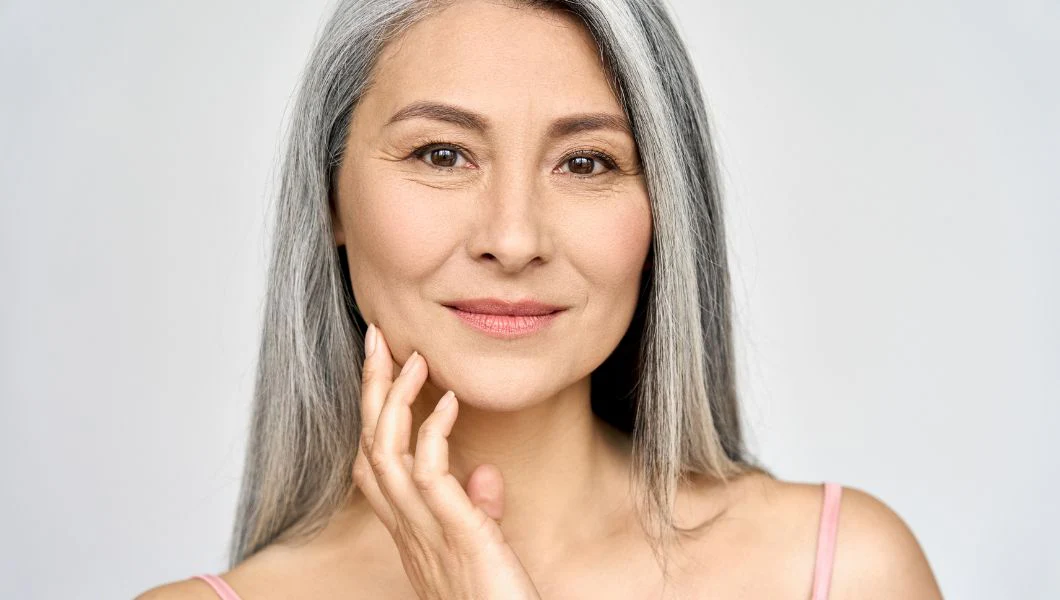
If your skin becomes sensitive after 40, you’re not imagining it. Many people notice sudden irritation, dryness, redness, or reactions to products they’ve used for years — even when nothing in their routine has changed.
This shift is common, especially for mature skin, and it’s driven by real biological changes in the skin barrier and hormone levels. Understanding why your skin becomes more reactive is the first step toward calming it naturally and protecting it long-term.
Let’s break down what’s happening and what actually helps.
Why Skin Becomes Sensitive After 40
As we age, our skin goes through structural and hormonal changes that affect how it protects itself.
1. The Skin Barrier Weakens
Your skin barrier is responsible for locking in moisture and keeping irritants out. After 40:
Natural lipid production slows
Moisture loss increases
Skin becomes thinner and more fragile
This makes it easier for products, weather, and environmental stressors to cause irritation.
2. Hormonal Changes Affect Skin Resilience
Fluctuating estrogen levels — especially during perimenopause and menopause — can:
Reduce collagen and elasticity
Increase dryness
Lower your skin’s ability to recover from stress
What once felt “fine” on your skin may suddenly feel uncomfortable.
3. Ingredient Tolerance Changes Over Time
Essential oils, fragrances, exfoliating acids, and even some “natural” ingredients can become too much for mature skin that no longer rebounds as quickly.
This often shows up as:
Redness
Stinging
Itchiness
Patchy dryness
Signs Your Skin Has Become Reactive
You may be dealing with increased sensitivity if you notice:
Burning or stinging when applying products
Redness that lingers
Sudden dryness or flaking
Breakouts from products you’ve used for years
These are signals — not failures — and they’re your skin asking for support.
What to Do When Your Skin Becomes Sensitive After 40
When your skin becomes sensitive after 40, simplifying your routine and supporting the skin barrier is far more effective than chasing anti-aging trends. According to the American Academy of Dermatology, aging skin naturally loses moisture and barrier strength over time.
Step 1: Simplify Your Routine
Avoid layering too many products. A gentle routine should include:
A mild, non-stripping cleanser
A nourishing moisturizer
Optional targeted support (serum or balm)
👉 Sensitive Skin Skincare Routine: A Simple 3-Step Routine That Actually Works
Step 2: Focus on Barrier Repair
Look for ingredients that strengthen and protect:
Calendula
Jojoba oil
Shea butter
Marula oil
👉 Benefits of Natural Skincare for Sensitive Skin
Step 3: Choose Plant-Based, Low-Irritation Formulas
Plant-based skincare can be incredibly effective for mature skin when it’s properly formulated. Avoid products with:
Heavy synthetic fragrance
High-percentage essential oils
Aggressive exfoliants
👉 Natural Skincare Safety Tips for Sensitive Skin
What to Avoid When Skin Becomes Sensitive
Over-exfoliating
Constantly switching products
Using “anti-aging” treatments that prioritize speed over skin health
Ignoring ingredient labels
Healing sensitive skin takes patience — but it works.
A Gentle Reminder
Skin changes with age aren’t something to fight — they’re something to honor and support. With thoughtful care, sensitive and mature skin can feel calm, hydrated, and comfortable again.
As skin matures, its needs change — and responding early makes a difference. Paying attention to how your skin feels, not just how it looks, helps prevent long-term irritation and supports healthier aging without harsh interventions.
Frequently Asked Questions
Why did my skin suddenly become sensitive in my 40s?
Hormonal changes, moisture loss, and a weakened skin barrier all contribute to increased sensitivity with age.
Can natural skincare still irritate mature skin?
Yes. “Natural” doesn’t always mean gentle. Ingredient quality, concentration, and formulation matter.
How long does it take to calm reactive skin?
Most people notice improvement within 2–4 weeks after simplifying their routine and focusing on barrier support.
If your skin has become more sensitive over time, choosing gentle, plant-based skincare made for reactive and mature skin can make all the difference. Supporting your skin barrier — not overwhelming it — is the key to long-term comfort.